Thinking about a move to Collinsville and wondering what kind of homes and neighborhoods you will actually find? That is a smart question, especially if you are balancing commute times, home style preferences, and a tight relocation timeline. Collinsville offers a mix of older character homes, mid-century properties, and later residential areas, so knowing how the city is laid out can help you focus your search faster. Let’s dive in.
Collinsville at a glance
Collinsville is a mid-sized Metro East city with an estimated population of 23,717 as of July 2025. It has a 66.0% owner-occupied housing rate, which points to a market shaped largely by long-term homeowners rather than a heavily rental-driven housing pattern.
The city also shows a median owner-occupied home value of $163,600, median gross rent of $1,038, and a mean travel time to work of 24.2 minutes. Combined with 11,644 housing units and 11,061 households, Collinsville feels more like an established suburban market than a dense urban one.
Collinsville home styles explained
If you expect one single “Collinsville style,” you may be surprised. The city is better understood as a mixed-age housing market with several home eras layered across different parts of town.
Historic homes in older areas
Collinsville’s oldest housing stock connects back to the original town area. One important local example is the D.D. Collins House, which the city describes as a Greek Revival cottage built around 1845 and one of the oldest homes in Collinsville.
That detail matters because it shows the city has real historic roots, not just a few scattered older properties. In practical terms, you may find older homes with more architectural character in and around the historic core, especially near the original parts of the city.
Mid-century homes in established neighborhoods
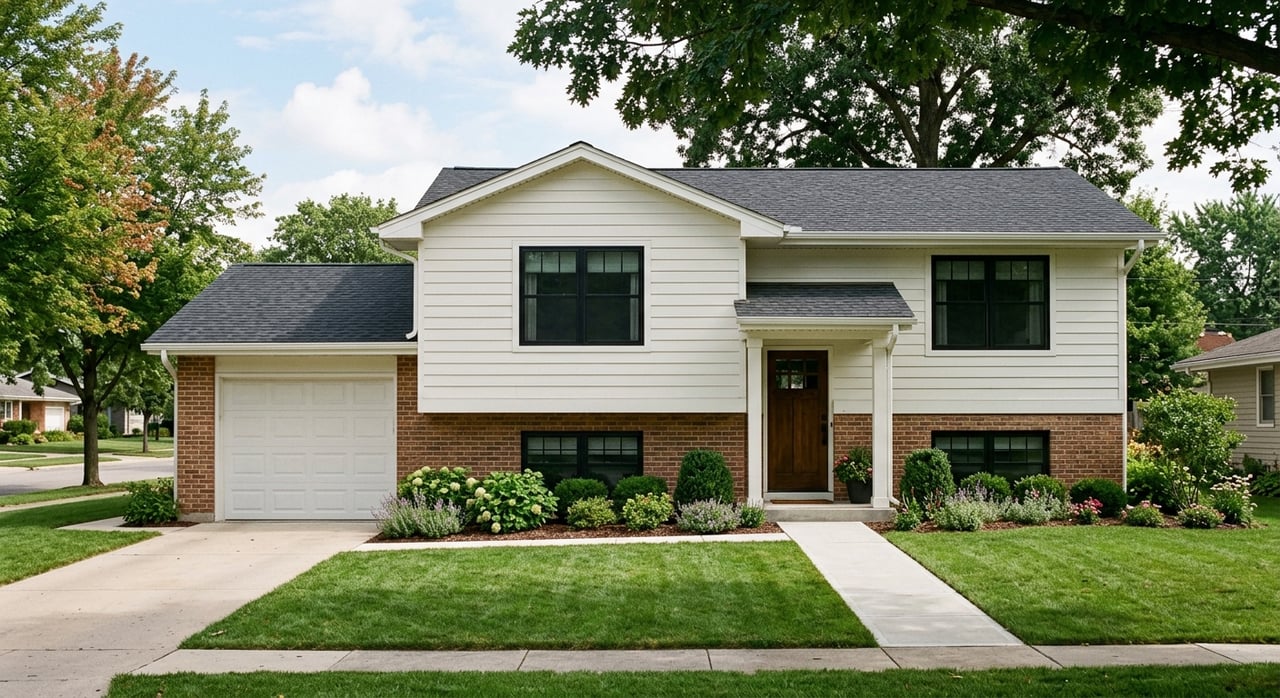
Collinsville also has a meaningful share of homes built in the mid-1900s. City-level housing counts surfaced in Data Commons indicate about 1.97 thousand housing units were built before 1939, with another 723 built from 1940 to 1949, out of roughly 11.6 thousand housing units in 2024.
That suggests roughly 23% of the housing stock predates 1950. For buyers, that often means you may see a solid number of established homes with mature lots, practical floor plans, and locations in long-developed parts of the city.
Later residential areas and infill
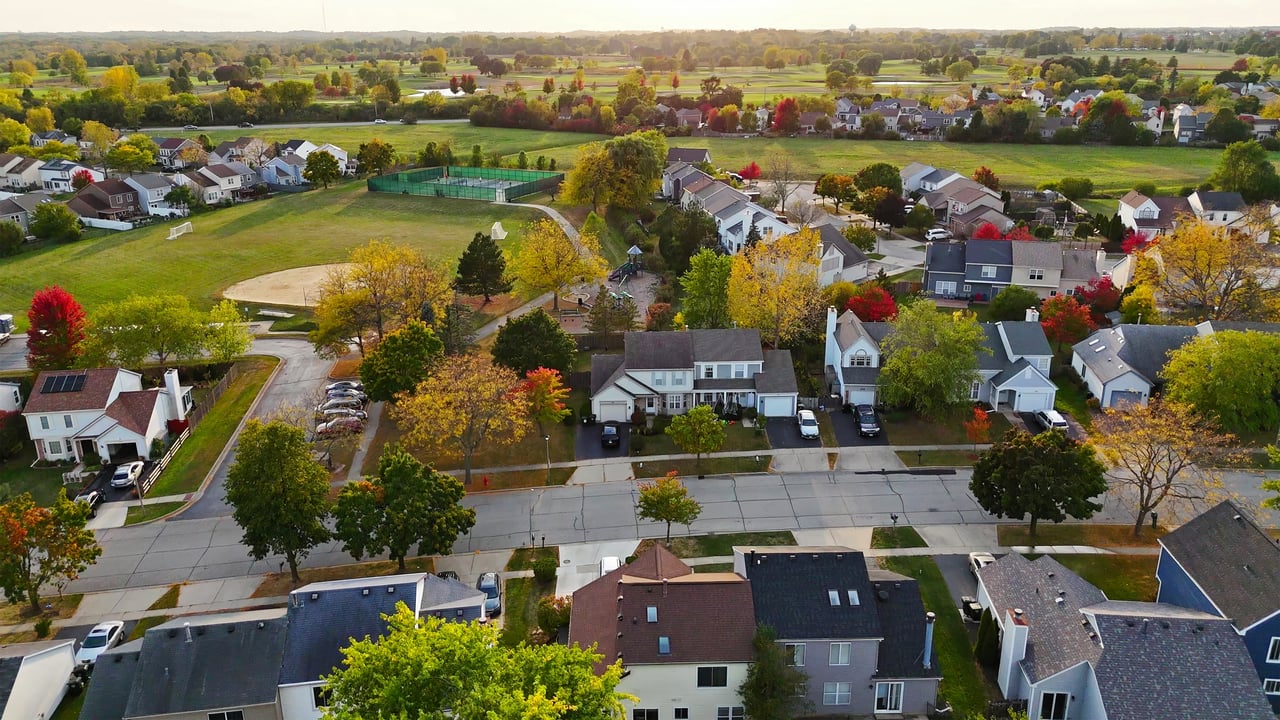
Beyond the older core and mid-century sections, Collinsville includes later residential neighborhoods and infill development. This adds variety to the local market and gives you more than one path depending on what matters most, whether that is charm, a more established setting, or a home in a later-built area.
The key takeaway is simple: Collinsville is not defined by one housing era. It is a city where different generations of homes sit side by side, which can be a real advantage if you want options.
How Collinsville neighborhoods are organized
Instead of one uniform subdivision layout, Collinsville is organized around distinct neighborhood clusters. The city’s planning and neighborhood improvement efforts reference several named areas, which gives buyers a useful framework for understanding how the city functions.
Named neighborhood areas to know
In its current planning process, the city has held neighborhood meetings for areas including:
- Camelot
- Pine Lake
- City Center
- East Acres
- Uptown
- Mulberry Hills
- State Park Place
- Anderson Acres
- Collinsville Crossing
- Sugar Loaf
- Eastport
- Echo Hill
For homebuyers, that is helpful because it confirms Collinsville is best approached as a collection of neighborhood areas, not a one-note market. Each area may feel a little different based on housing age, street layout, and location within the city.
Uptown and City Center
Uptown and City Center are especially important when you think about Collinsville’s identity. These areas connect closely to the older parts of town and help frame the city’s historic core.
If you are drawn to older homes, a more established street pattern, or being near one of the city’s traditional planning spines, these are areas worth understanding early in your search. They represent the part of Collinsville where the city’s history is easiest to see.
Corridor-driven growth and connectivity
The city’s Great Streets plan highlights another important pattern. It runs from Main Street near Uptown west along St. Louis Road and Collinsville Road to Cahokia Mounds, showing how these corridors help connect key parts of the city.
For buyers, this means certain roads do more than move traffic. They also help shape how neighborhoods connect to shopping, commuting routes, and the broader feel of the community.
What this means for buyers
When you shop for a home in Collinsville, it helps to think in terms of housing era, neighborhood cluster, and commute. Those three filters can quickly narrow your options and keep your search focused.
Here is a practical way to approach it:
- If you want character and older architecture, start by learning more about the historic core and older sections near Uptown and City Center.
- If you want an established neighborhood feel, look at areas with more mid-century housing.
- If you want a different mix of lot layout or later-built housing, explore the city’s other residential clusters and infill areas.
- If commute matters most, pay close attention to how each area connects to the major road network.
That kind of approach is especially helpful if you are relocating from outside the region and need to make decisions quickly.
Collinsville for commuters and PCS moves
Collinsville’s location is one of its biggest practical strengths. City sources describe it as about 12 miles east of downtown St. Louis, with access to Interstates 55, 70, 64, 255, and 270.
That level of highway access can make daily travel simpler whether you work in the St. Louis area, need to move around the Metro East, or want flexibility across multiple job centers. The city also notes that it is less than 10 miles from Southern Illinois University Edwardsville.
Why military families look at Collinsville
If you are planning a PCS move, Collinsville can make sense because it sits in the same broader commuting shed as Scott Air Force Base and the St. Louis region. Scott Air Force Base’s official installation profile describes the base as part of the Metro-East and greater St. Louis area and identifies it as the largest employer in southwest Illinois, with a workforce of more than 13,100 and more than $3 billion injected into the local economy.
Collinsville is not a base town itself, but it is relevant for military households who want access to the wider region. That can make it worth a look if you want a Metro East location with a mostly owner-occupied feel and strong transportation connections.
Why Collinsville feels established
Some cities feel brand new, while others feel rooted. Collinsville tends to feel established because the data and city planning materials point in the same direction: mature neighborhoods, a meaningful share of older homes, and public attention to neighborhood upkeep and owner-occupied housing.
The city’s residential programs focus on first-time buyers, single-family home conversion, and curb appeal assistance. That signals an ongoing local emphasis on maintaining neighborhoods and supporting homeownership.
For buyers, that can translate into a market where neighborhood condition and long-term ownership matter. It also reinforces why Collinsville often appeals to people who want a suburban setting with history rather than a place built all at once.
How to narrow your Collinsville search
If you are trying to decide where to start, keep your search simple. Focus on the features that will shape your daily life most.
Ask yourself:
- Do you prefer historic character or a more typical mid-century layout?
- How important is quick interstate access?
- Do you want to be closer to Uptown and City Center or farther out in another neighborhood cluster?
- Are you relocating on a deadline and need a neighborhood that supports an easier commute?
Once you answer those questions, Collinsville becomes easier to read. Instead of seeing a city with too many choices, you start seeing a city with several clear housing patterns.
If you are moving on military timelines, that clarity matters. A faster, more confident search can reduce stress and help you focus on the homes that truly fit your needs.
If you want help sorting through Collinsville neighborhoods, commute patterns, and homes that fit your timeline, connect with Christina Johnson. You can get matched with military-savvy real estate support that understands PCS moves, local market differences, and the need to make smart decisions quickly.
FAQs
What types of homes are common in Collinsville, Illinois?
- Collinsville has a mixed-age housing market that includes historic homes in older parts of town, a substantial amount of mid-century housing, and later residential neighborhoods and infill areas.
Which Collinsville areas are part of the historic core?
- Uptown and nearby City Center are the most useful areas to understand when you want to explore Collinsville’s older town pattern and historic housing roots.
How old is the housing stock in Collinsville?
- City-level housing counts indicate about 1.97 thousand housing units were built before 1939 and another 723 were built from 1940 to 1949, suggesting roughly 23% of the city’s housing stock predates 1950.
Is Collinsville a good option for St. Louis commuters?
- Collinsville is about 12 miles east of downtown St. Louis and has access to Interstates 55, 70, 64, 255, and 270, which supports regional commuting.
Should military families consider Collinsville during a PCS move?
- Collinsville can be worth considering because it sits within the broader Metro East and St. Louis commuting area that is relevant to Scott Air Force Base, while offering a mostly owner-occupied and established residential setting.
How are neighborhoods organized in Collinsville?
- Collinsville is best understood as a group of named neighborhood clusters, including areas such as Camelot, Pine Lake, City Center, Uptown, Mulberry Hills, Sugar Loaf, Eastport, and Echo Hill.